Electrician Qualifications for Home Chargers
Table of Contents
Why Electrician Qualifications Matter for Home Charger Installation
OZEV Approved Installer Requirements
BS 7671 EV Charging Regulations and Compliance
EV Charger Installation Certification and Training
How to Verify an Electrician's Qualifications
What You Should Not Do: DIY Installation and Risks
Finding a Qualified Electrician for Your Installation
Conclusion
Frequently Asked Questions
Last Updated: September 29, 2026
Why Electrician Qualifications Matter for Home Charger Installation
Installing a home EV charger isn't like fitting a standard plug socket. The electrical demands are substantial, the safety implications serious, and the regulatory framework strict. Choosing an unqualified electrician to handle your home charger installation puts your property, your vehicle, and your family at genuine risk.
Electrical faults during installation can cause fires, damage to your home's wiring infrastructure, or worse. Beyond safety, an improperly installed charger won't function reliably, may void your vehicle warranty, and could fail inspection if you ever sell your home. This is precisely why electrician qualifications for home chargers exist as a formal requirement rather than a suggestion.
At Yorks Ev, we work exclusively with highly qualified, time-served, UK trained electricians who hold full OZEV approval and the necessary certifications. Understanding what those qualifications are, and why they matter, helps you make an informed decision about who installs your charger.
OZEV Approved Installer Requirements
The Office for Zero Emission Vehicles (OZEV) administers the Electric Vehicle Homecharge Scheme, which provides grants for residential charger installations. To qualify for that scheme, your installer must be OZEV approved (Residential and commercial chargepoints: become an authorised installer). This approval isn't a rubber stamp; it requires documented competency and adherence to strict installation standards.
OZEV approved installer requirements demand that electricians complete specific training and hold relevant qualifications before they can install chargers under the scheme. The approval process verifies that installers understand the unique electrical demands of EV charging, have tested their knowledge, and commit to ongoing professional development.
When you hire an OZEV approved installer, you're hiring someone who has been vetted by a third party specifically for this work. It's a meaningful quality signal. Many homeowners assume any qualified electrician can install an EV charger, but OZEV approval confirms they've gone beyond general electrical competency and developed specialist knowledge in this particular field. Request proof of current OZEV approval before booking any installation.
BS 7671 EV Charging Regulations and Compliance
BS 7671 is the British Standard for electrical installation in buildings (BS 7671 - Requirements for Electrical Installations). It's the foundation of electrical safety across the UK. For EV charger installations, BS 7671 compliance is not optional, it's a legal requirement.
BS 7671 EV charging regulations specify how home chargers must be installed, what protective devices must be in place, how circuits must be configured, and what testing must be carried out after installation. The standard covers everything from cable sizing to earthing arrangements to residual current device (RCD) protection. A qualified electrician must understand these requirements in detail and apply them correctly.
Compliance with BS 7671 means your installation will be safe, code-compliant, and likely to pass any future inspection or insurance assessment. Non-compliant installations create liability, both for you as the homeowner and for any electrician who carried out the work knowingly. The standard exists because electrical faults can cause serious harm. When an electrician tells you they're BS 7671 compliant, they're committing to a recognised safety standard backed by regulatory authority.

EV Charger Installation Certification and Training
Not all electrical qualifications are equal. An electrician with a general electrical installation qualification may lack the specific knowledge needed for EV charger work. This is why dedicated EV charger installation certification and training programmes exist.
These certifications typically cover the unique aspects of EV charging: the power demands, the communication protocols between charger and vehicle, the safety systems specific to charging, and the regulatory landscape. A certified EV charger installer has studied these topics formally and demonstrated competency through assessment.
Common certifications in this field include IET (Institution of Engineering and Technology) qualifications specific to EV charging, or manufacturer-specific training from charger suppliers. The best installers often hold multiple certifications, showing they've invested in staying current with evolving standards. When you ask an electrician about their EV charger installation certification and training, you're checking that they've done more than general electrical work, they've specialised in this specific application.
How to Verify an Electrician's Qualifications
Asking an electrician whether they're qualified isn't enough. Verification requires documentation and, ideally, third-party confirmation. Here's how to check properly.
Request a copy of their OZEV approval certificate. This should be current and verifiable through the OZEV scheme directly if needed. Ask for evidence of their electrical installation qualifications, typically a City & Guilds or equivalent certification. Request documentation of their EV charger specific training or certification. A reputable installer will provide these without hesitation; if they're reluctant or evasive, that's a red flag.
Check whether they're registered with a relevant trade body. Many qualified electricians register with organisations like the NICEIC or the ELECSA, which maintain registers of approved installers. You can verify registration online using the installer's name or company details. Ask for references from previous EV charger installations they've completed. Contact at least two previous clients and ask about the quality of work, adherence to timescales, and whether the installation has performed reliably.
What You Should Not Do: DIY Installation and Risks
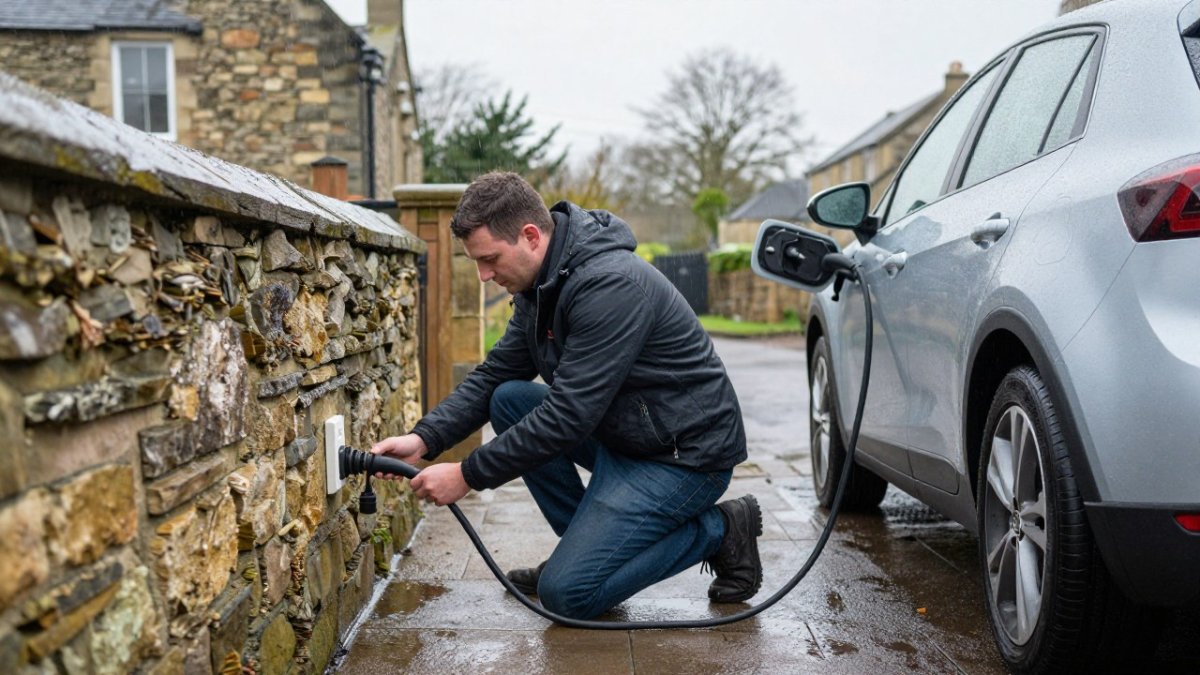
The temptation to save money by installing a charger yourself is understandable. Resist it. DIY EV charger installation carries serious risks and is almost certainly illegal under building regulations.
Installing an EV charger requires working with high-voltage circuits, configuring protective devices correctly, running appropriately sized cable, and ensuring all connections meet BS 7671 standards. A mistake in any of these areas can cause fire, electrocution, or damage to your vehicle's charging system. Beyond personal safety, a DIY installation will almost certainly void any warranty on your charger and your vehicle. Insurance may not cover damage resulting from an unqualified installation. If you ever sell your home, a non-compliant or undocumented installation can become a serious liability issue for both you and the buyer.
Building regulations require that electrical work of this scale be carried out by a qualified electrician and certified through the appropriate channels. Carrying out the work yourself breaches those regulations. Even if the installation technically works, you have no documentation proving compliance, which creates problems down the line. The cost of a professional installation is far smaller than the cost of fixing a failed DIY installation or dealing with the consequences of a fire or electrical fault.
Finding a Qualified Electrician for Your Installation
Start by checking the OZEV approved installer list. This is your first filter, if an electrician isn't on it, they haven't met the scheme's requirements and you shouldn't hire them for a home charger installation.
Once you've identified OZEV approved installers in your area, verify their qualifications using the methods described above.
Conclusion
Electrician qualifications for home chargers aren't bureaucratic obstacles, they're your protection. OZEV approval, BS 7671 compliance, and dedicated EV charger training exist because this work matters. Hiring a qualified electrician costs more than hiring an unqualified one, but the difference in safety, reliability, and peace of mind is substantial.
Frequently Asked Questions
Do I need a qualified electrician to install a home EV charger?
Yes. Installing a home EV charger involves electrical work that must comply with Building Regulations and safety standards. Only a qualified electrician with proper certifications can safely install a charger and ensure it meets legal requirements. Attempting DIY installation risks electrical hazards, fire, and invalidating your home insurance. A qualified electrician protects both your safety and your property.
What specific certifications should an EV charger installer hold?
EV charger installers should hold relevant electrical installation qualifications. Many installers also pursue OZEV (Office for Zero Emission Vehicles) approval or manufacturer-specific EV charger training. These qualifications ensure they understand the unique electrical demands of EV charging systems.
Is it a legal requirement for EV charger installers to be OZEV approved?
OZEV approval is not a legal requirement, but it demonstrates that an installer meets industry standards and has received specialist training in EV charger installation. OZEV-approved installers have been vetted to ensure they understand safety, regulations, and best practices. While you can use a registered electrician without OZEV approval, choosing an OZEV-approved installer provides additional assurance of their expertise and commitment to quality.
What is BS 7671 and how does it apply to EV charger installation?
BS 7671 is the British Standard for electrical safety in buildings. It sets out requirements for electrical installation design, installation, and testing. For EV chargers, BS 7671 compliance ensures proper cable sizing, circuit protection, earthing, and safety devices. A qualified electrician must design and install your charger to meet BS 7671 standards, with testing and certification provided upon completion to confirm safety and compliance.
How do I check if an electrician is registered with a competent person scheme?
Ask your electrician for proof of registration with a competent person scheme. You can verify their status by visiting the scheme's website and searching their register using their name or business details. Competent person registration confirms they have undergone assessment and continue to meet professional standards. Always request this verification before hiring, it's your assurance that the work will be safe and compliant.
Can I install my own home EV charger?
No. EV charger installation is not a DIY task. Building Regulations require electrical work of this nature to be carried out by a qualified electrician. Installing it yourself risks electrical hazards, potential fire, damage to your property, and invalidating your home insurance. Additionally, a DIY installation won't receive the certification and testing needed to prove safety and compliance, leaving you liable if problems arise.
What training do electricians need beyond standard qualifications?
Beyond standard qualifications, electricians installing EV chargers benefit from specialist training on EV charging technology, different charger types, and installation best practices. Many manufacturers offer product-specific training. Some electricians pursue OZEV approval or accreditation with industry bodies. This additional training ensures they understand the unique requirements of EV systems and can advise on the best solution for your home.
Get a Quote

Comments